Advisory & Speaking
Strategic Advisory at the Intersection of Investment Governance, Retirement, and Institutional Strategy
Brian works with fiduciaries, retirement organizations, advisory firms, asset managers, trustees, and institutional decision-makers on issues where investment complexity, governance, and strategy intersect.
Who Brian works with
Clients
Brian works with organizations and decision-makers facing complex investment, retirement, and governance questions, including:
Sponsors
Retirement plan sponsors and fiduciary committees
Advisors
Financial advisors and retirement-plan intermediaries
Providers
Asset managers, recordkeepers, and retirement platforms
Trustees
Trustees, trust companies, and institutional investors
Boards
Boards and executive teams
Audiences
Industry associations, universities, and professional audiences
The nature of the work varies by engagement — from investment-governance assessments and committee education to broader strategic consulting, institutional advisory work, and speaking.
Three ways to work together
Services
01
Investment Governance
A structural review of investment design, governance, manager structure, fees, and implementation choices, measured against the objectives fiduciaries or institutional decision-makers have established.
02
Strategic Institutional Consulting
Strategic advice on retirement-provider strategy, investment and product architecture, institutional distribution, defined contribution strategy, and related platform or market questions.
03
Speaking and Executive Education
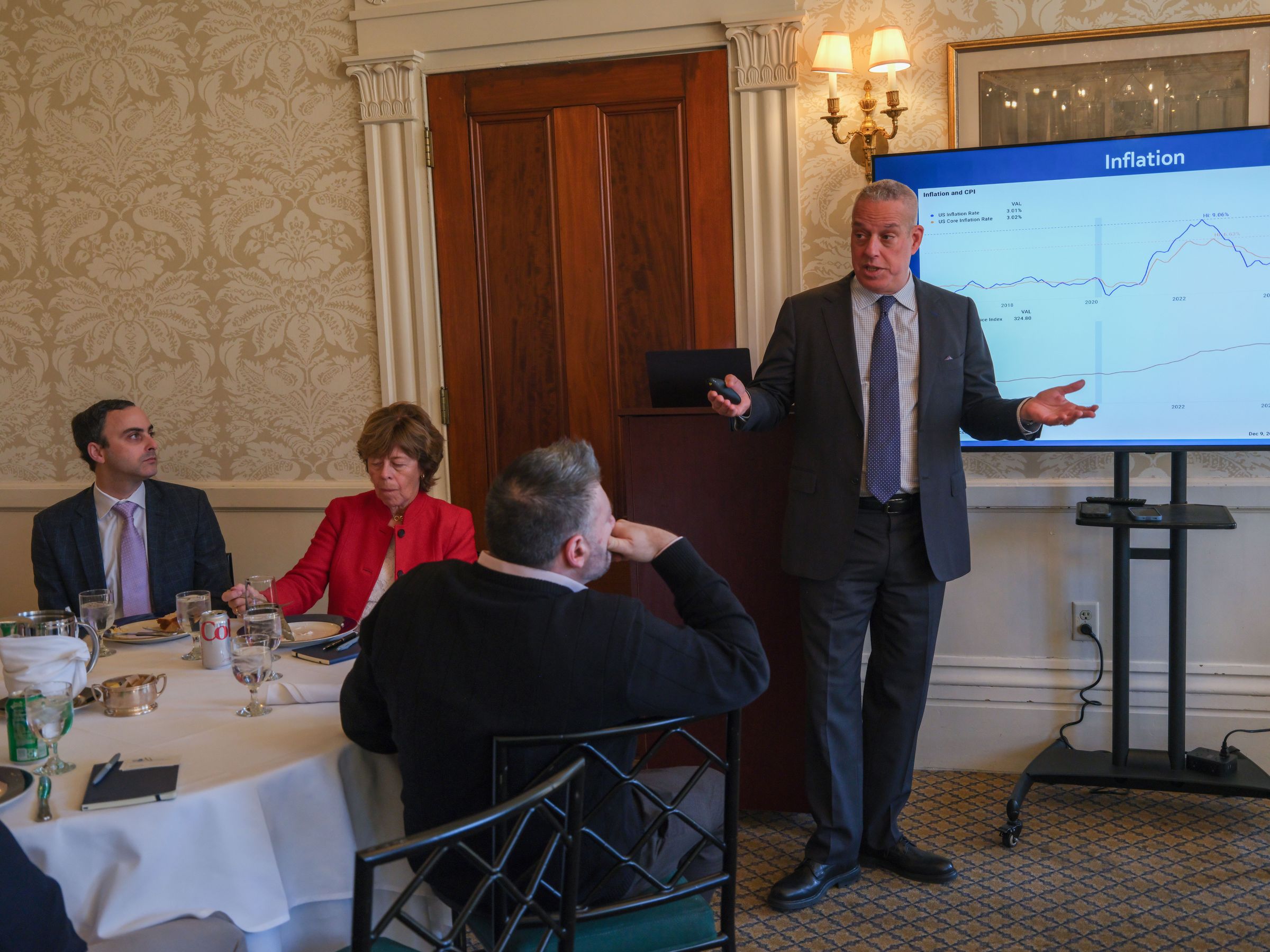
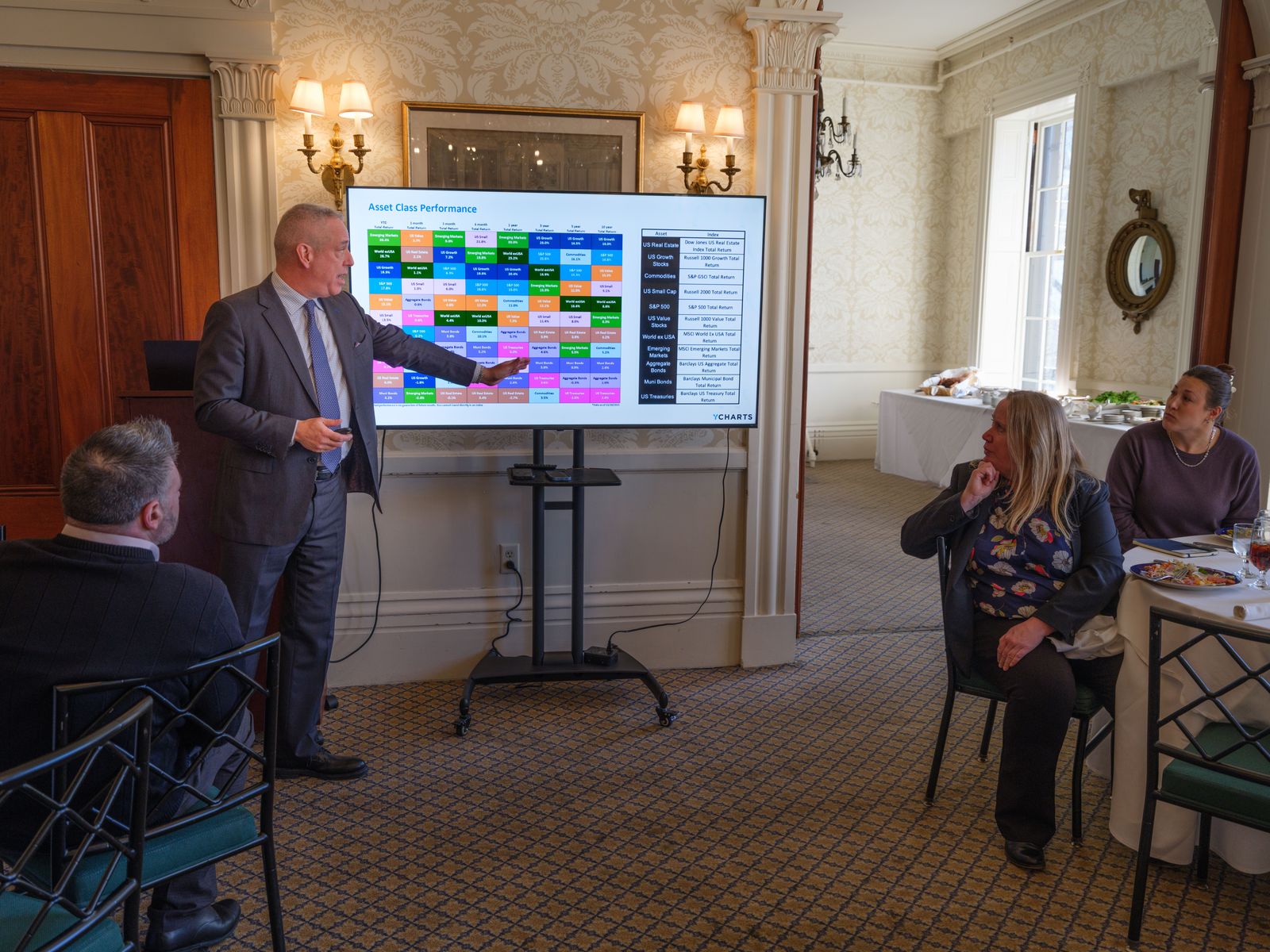
Plain-language content for industry conferences, boards, committees, universities and media.
Speaking and Executive Education
Plain-language sessions for boards, HR leaders, and advisor teams
What Brian does not do
Scope
Brian does not manage client assets or provide legal or ERISA counsel. The scope and structure of advisory assignments vary by engagement and, where appropriate, may be undertaken in collaboration with other firms.
Frequently asked questions
FAQ
What should an investment committee ask about its default investment?
Start with purpose: What problem is the default designed to solve, and whose assumptions about markets and risk are built into its glide path? Then ask how much discretion the manager has, how fees are weighed against services, how often the default is formally reviewed, what would trigger a change, and what is documented versus merely understood. Dr. Leite sets out ten such questions in an essay at Fiduciary Governance Advisors.
Does Dr. Leite manage money or give legal advice?
No. Dr. Brian Leite does not manage client assets or provide legal or ERISA counsel. The scope and structure of advisory assignments vary by engagement and, where appropriate, may be undertaken in collaboration with other firms.
What types of strategic consulting engagements does Brian take on?
Brian works on selected assignments involving retirement strategy, investment and product architecture, institutional distribution, defined contribution strategy, governance, and related platform or market questions. Engagements are typically focused on issues where investment expertise, organizational strategy, and fiduciary considerations intersect.
Does Brian work independently or through partner firms?
Both. Some engagements are undertaken directly, while others are conducted in collaboration with firms that bring complementary capabilities, relationships, or implementation resources. The structure depends on the nature and scope of the assignment.
Where should I go for specialized fiduciary-governance work?
Fiduciary Governance Advisors is the primary platform for focused work involving investment governance, default investments, QDIA oversight, fiduciary process, and related committee education. Broader strategic or institutional assignments may be structured separately or in collaboration with other firms.

Let's Talk
Questions about investment governance, retirement strategy, institutional consulting, speaking, or media? Send a note, and Brian will get back to you.